Your website may look good, but if it loads slowly or is hard to use, Google will not rank it well. Today, website speed and user experience (UX) are two of the most important factors that affect SEO rankings.
Search engines want to show users fast, helpful, and easy-to-use websites. If your site fails on speed or experience, visitors leave quickly—and rankings drop.
Quick Answer: Does Website Speed and UX Affect SEO Rankings?
Yes, website speed and user experience directly affect SEO rankings. Google ranks faster websites higher because they provide a better experience. Poor UX increases bounce rate, lowers engagement, and signals to Google that users are unhappy with your site.
Why Website Speed Matters for SEO and Users?
Website speed is how fast your pages load. Even a delay of a few seconds can cost you visitors and rankings.
Why speed is important?
- Users expect fast-loading websites
- Slow sites increase bounce rate
- Google uses speed as a ranking factor
- Fast sites convert better
Studies show that most users leave a website if it takes more than 3 seconds to load.
How speed affects SEO?
When users leave quickly, Google sees this as a poor experience. Over time, your rankings drop, even if your content is good.
Speed affects:
- Search rankings
- User trust
- Conversion rates
- Mobile performance
A fast website keeps users engaged and helps Google trust your site.
Core Web Vitals Explained Simply
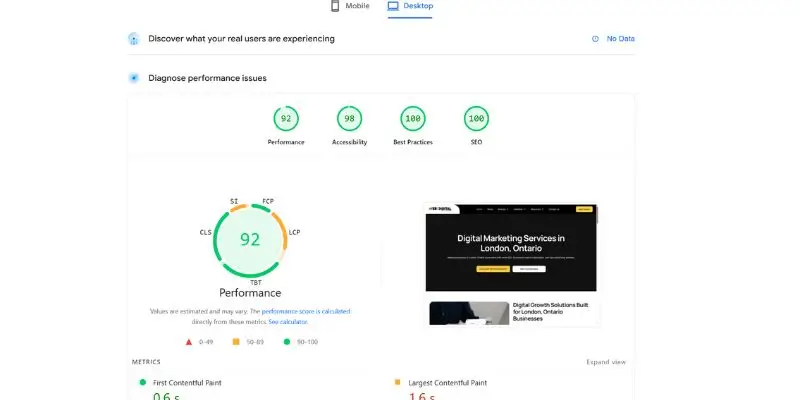
Core Web Vitals are Google’s way of measuring real user experience on a website. They focus on speed, responsiveness, and visual stability.
The three main Core Web Vitals
1. Largest Contentful Paint (LCP)
- Measures how fast the main content loads
- Ideal time: under 2.5 seconds
2. Interaction to Next Paint (INP)
- Measures how quickly your site responds to user actions
- Faster interaction = better experience
3. Cumulative Layout Shift (CLS)
- Measures how stable the page layout is
- Avoids content jumping while loading
Core Web Vitals at a glance
| Metric | What It Measures | Why It Matters |
|---|---|---|
| LCP | Load speed | Faster pages rank better |
| INP | Responsiveness | Smooth interaction |
| CLS | Visual stability | Better user trust |
Improving Core Web Vitals helps both SEO and user satisfaction.

Mobile-First Design and Its Impact on SEO
Google uses mobile-first indexing, which means it checks the mobile version of your website before the desktop version.
Why mobile design is critical?
- Most searches happen on mobile
- Google ranks based on mobile experience
- Poor mobile design hurts rankings
Mobile-friendly websites should:
- Adjust to all screen sizes
- Load fast on mobile networks
- Have easy-to-tap buttons
- Show clear content without zooming
A website that works only on desktop will struggle to rank today.
How User Experience (UX) Affects Bounce Rate and Rankings?
User experience is how visitors feel when using your website. Google tracks user behavior closely.
UX signals Google watches
- Bounce rate
- Time spent on page
- Navigation behavior
- Content interaction
If users struggle to find information, they leave—and rankings drop.
Good UX helps SEO by:
- Keeping users longer
- Encouraging page views
- Building trust
- Reducing bounce rate
UX elements that matter
- Clean layout
- Easy navigation
- Readable fonts
- Clear calls to action
Better UX leads to better rankings.
How Website Speed and UX Work Together?
Speed and UX are connected. A fast website with poor UX still fails. A good UX on a slow website also fails.
Strong SEO websites have:
- Fast loading speed
- Mobile-friendly design
- Clear structure
- Easy navigation
- Helpful content
Search engines reward websites that do all of these well.
Final Thoughts
Website speed and user experience are not just technical details. They directly affect how Google ranks your website and how users trust your business.
A fast, user-friendly website helps you rank higher, keep visitors longer, and convert more leads.
If your website is slow or hard to use, improving speed and UX can be the fastest way to improve SEO rankings.
Test your website speed and mobile experience today. Improving even one issue can lead to better rankings and better results.