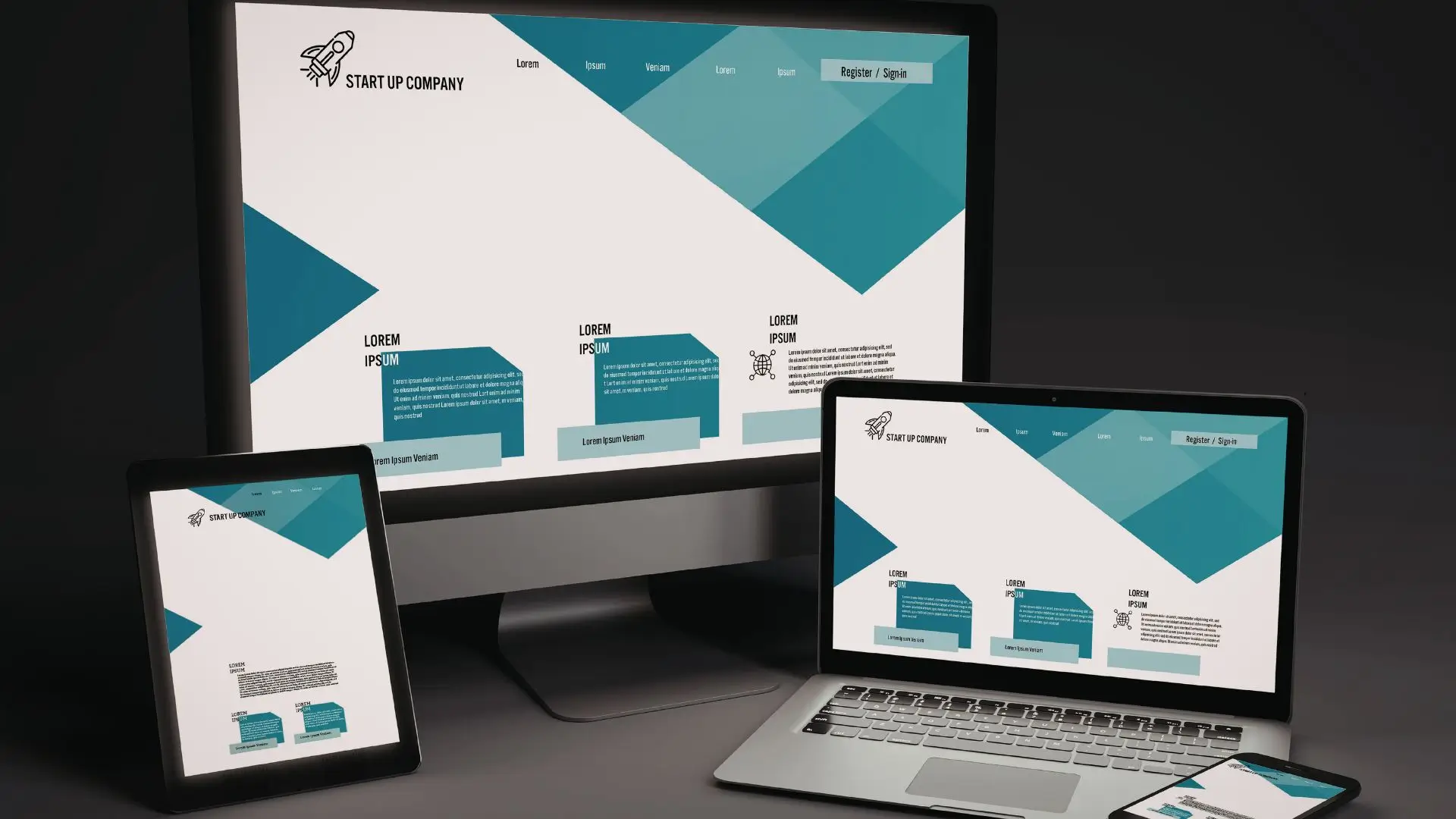
Many business owners think website design and website development are the same thing. They are not. Both play different roles, and choosing the wrong one can affect your website’s performance, SEO rankings, and conversions.
If your website is not bringing traffic, leads, or sales, the issue may not be marketing. It may be that your site needs better design, better development, or both.
What Is the Difference Between Website Design and Website Development?
Website design focuses on how a website looks and feels, while website development focuses on how it works behind the scenes. Design improves user experience and trust. Development improves speed, functionality, and SEO performance. Most businesses need both to succeed online.
Website Design vs Website Development Explained Simply

Understanding the difference helps you make better decisions.
What Is Website Design?
Website design is about the visual and user side of a website. It focuses on layout, colors, fonts, and how users interact with pages.
Design answers questions like:
- Does the website look professional?
- Is it easy to use?
- Can visitors find information quickly?

What Is Website Development?
Website development is the technical side. It focuses on building the website so it works smoothly, loads fast, and functions properly.
Development handles:
- Website speed and performance
- Mobile responsiveness
- Code structure
- Integrations and features
Design vs Development at a Glance
| Area | Website Design | Website Development |
|---|---|---|
| Focus | Look and feel | Function and performance |
| Main goal | Better user experience | Speed, stability, SEO |
| Impact | Engagement and trust | Rankings and usability |
| Role | Front-end experience | Back-end structure |
Both are important, but they solve different problems.
How Website Design Impacts User Experience
User experience (UX) is how visitors feel when using your website. Good design makes visitors stay. Bad design makes them leave.
Design elements that improve UX
- Clean and simple layouts
- Easy-to-read fonts
- Clear headings and spacing
- Easy navigation
- Clear call-to-action buttons
When design is clear, users trust your business more.
How good design helps your business
- Keeps visitors longer on your site
- Reduces bounce rate
- Builds brand credibility
- Improves conversions
Search engines notice how users behave. If users stay longer, rankings improve.
How Website Development Affects Speed and SEO
Even the best design fails if development is weak. Website development directly affects SEO and performance.
Development affects SEO through
- Page load speed
- Mobile performance
- Clean code structure
- Technical SEO setup
Google prefers websites that load fast and work well on all devices.
Key development factors that impact rankings
- Optimized code
- Fast hosting
- Image optimization
- Proper caching
- Mobile-friendly structure
A slow or broken website struggles to rank, no matter how good the content is.
Why Speed and Functionality Matter More Than You Think
Speed is a ranking factor and a conversion factor.
What happens when a website is slow?
- Users leave quickly
- Bounce rate increases
- Conversions drop
- SEO rankings fall
Development ensures
- Pages load quickly
- Buttons and forms work
- The website scales as your business grows
Strong development supports long-term SEO success.
Choosing the Right Solution for Your Business
Not every business needs the same solution. The right choice depends on your goals and current website condition.
You mainly need website design if
- Your site looks outdated
- Users find it confusing
- Conversions are low
- Branding feels weak
You mainly need website development if
- Your site is slow
- Pages break or load incorrectly
- SEO rankings are poor
- Mobile performance is weak
You need both design and development if
- You want long-term growth
- Your website is central to leads or sales
- You plan to invest in SEO services
- You want a future-ready website
Most growing businesses benefit from both.
Why SEO-Ready Websites Perform Better
An SEO-ready website is built with both design and development working together.
SEO-ready websites focus on
- Clean structure and headings
- Fast load speed
- Mobile-first design
- Easy navigation
- Technical SEO foundations
Benefits of SEO-ready websites
- Rank higher on Google
- Bring more organic traffic
- Convert visitors into leads
- Support SEO, Local SEO, and AI SEO strategies
SEO-ready websites reduce future costs and problems.
Design and Development Working Together for SEO
SEO works best when design and development support it.
How design supports SEO
- Clear headings improve content clarity
- Layout improves readability
- UX improves engagement
How development supports SEO
- Speed improves rankings
- Clean code helps crawling
- Mobile optimization improves visibility
When these elements work together, SEO results improve faster.
This is why businesses working with Web and Digital Solutions often see stronger results. Design, development, and SEO are planned together, not separately.
Common Mistakes Businesses Make
Mistakes to avoid
- Focusing only on design
- Ignoring website speed
- Choosing looks over performance
- Skipping mobile optimization
- Building a site without SEO planning
These mistakes cost time, traffic, and money.
Which Is More Important: Design or Development?
There is no one-word answer.
- Design attracts users
- Development keeps them
- SEO connects both
A strong website needs balance.
Future of Websites: Performance First
Search engines are moving toward:
- Faster websites
- Better user experience
- Mobile-first indexing
- AI-driven search results
Websites that are slow or confusing will fall behind.
How to Decide What Your Website Needs Today
Ask yourself:
- Is my website fast?
- Is it easy to use on mobile?
- Does it convert visitors?
- Is it SEO-ready?
If the answer is “no” to more than one, you may need both design and development improvements.
Final Thoughts
Website design and website development are not competitors. They are partners. Design builds trust and experience. Development builds speed, stability, and SEO strength.
If your website is important to your business, you cannot ignore either.
Review your website honestly. Check speed, mobile usability, design clarity, and SEO readiness. Fixing t